


Overview
A hair transplant for Americans abroad typically runs $2,200 to $5,000 all-in through Doctours partner clinics in Turkey and Mexico, compared to the $7,000 to $20,000 most US clinics quote for the same procedure.
Americans need a passport valid for at least six months past travel, but no visa for Turkey, Mexico, or Poland on a typical 4–7 day medical trip.
A full trip plan covers the same six phases for every patient: passport and timing, clinic match, USD payment, flights and hotel, the surgery itself, and 12 to 36 months of structured aftercare from a US-based care coordinator.
Doctours partner clinics like Heva Clinic, MetropolMED, and Vialife Clinic in Istanbul hold International Health Tourism Authorization Certificates from the Republic of Turkey Ministry of Health, with English-speaking staff and 3 nights of hotel typically built into the package.
Every Doctours patient gets a US-based care coordinator reachable 24/7 by call, text, or video chat, with monthly payment plans up to 36 months and zero markup on top of the clinic's quoted package price.
A hair transplant for Americans abroad typically costs $2,200 to $5,000 all-in through a vetted facilitator like Doctours, compared to the $7,000 to $20,000 most US clinics quote for the same procedure. For Americans, the trip itself is straightforward: a passport valid for at least six months, no visa required for Turkey, Mexico, or Poland on a short medical stay, and a 4 to 7 day itinerary that covers consultation, surgery, and the first nights of recovery. Most patients save $5,000 to $14,000 even after factoring in international flights.
You've already done the late-night math. The quotes from US clinics are real. The Turkey prices look almost too good. And somewhere in the middle of all of that is the thought you haven't said out loud yet: I deserve to feel like myself again — I'm just not sure I can pull off the trip part. That's fair. Surgery is vulnerable. Doing it in another country adds layers most people have never thought through before.
This guide walks through the entire trip the way an American patient actually experiences it. Step by step, phase by phase. What you pack, what gets booked for you, what your care team handles, and what's waiting for you on the other side. By the end, the part that felt like a leap should feel like a calendar entry.
Why Are Americans Traveling Abroad for Hair Transplants?
The simplest answer is cost — but the full picture is cost and access. A US clinic charges $7,000 to $20,000 for a hair transplant because it has to. American surgical overhead, malpractice insurance, real estate, and staffing put a floor under the price that international clinics simply don't have. Turkey, Mexico, and parts of Eastern Europe operate at a fraction of that cost structure, and the savings pass directly to the patient.
A few concrete numbers from the Doctours network as of 2026. In Istanbul, Esthetic Hair Turkey starts at $2,200 for a full procedure, Vialife Clinic at $2,500, MetropolMED at $2,800, and Vera Clinic at $2,990. In Mexico, Art Line Clinic in Tijuana and Mexico City starts at $2,500. US-based partners American Mane and Esthetic Hair Miami start at $7,000 — still well below most domestic quotes because Doctours doesn't add a markup. Full all-in package pricing is published in USD before you book.
The second reason Americans travel is volume. Istanbul alone hosts hundreds of hair restoration clinics, with top surgeons performing the procedure thousands of times a year. That kind of repetition produces consistency that is hard to match anywhere else. The US Centers for Disease Control and Prevention reports that hair restoration is one of the most common medical tourism procedures sought by Americans, alongside dental work and elective orthopedics — and the safety guidance focuses on clinic selection and aftercare planning, both of which a facilitator handles for you.
Step 1: Confirm Your Passport, Visa, and Timing
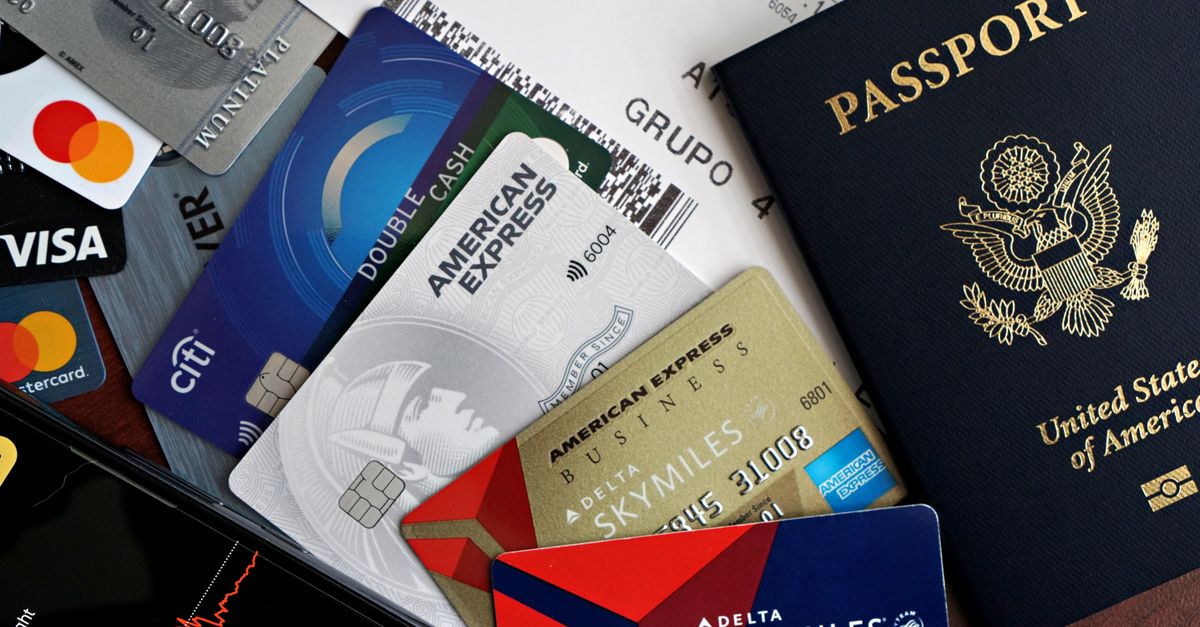
The first task is the smallest and the easiest to overlook. US citizens traveling for a hair transplant need a passport that's valid for at least six months beyond the trip — that's a rule most countries enforce, including Turkey, Mexico, and Poland. If your passport expires within a year, renew first. The current US Department of State passport processing times run about 4 to 6 weeks for routine service and 2 to 3 weeks expedited, so handle this before you start picking flight dates.
For visas, the news is good. Americans do not need a visa for stays of up to 90 days in Turkey, Mexico, or Poland, which covers every reasonable hair transplant itinerary. You will need to fill in a Turkish e-arrival form online if you're flying into Istanbul, and a Mexican FMM tourist form (issued automatically when you land) if you're flying into Cancun, Tijuana, or Mexico City — both are short and free.
On timing: most patients fly Monday or Tuesday, have surgery Wednesday, recover Thursday and Friday, and fly home Saturday or Sunday. That's a 5 to 6 day total trip. Dr. Serkan Aygin Clinic packages include 3 hotel nights with full service transportation; Heva Clinic packages include 2 to 4 hotel nights depending on tier. Either way, your care coordinator builds the calendar with you so flights, transfers, and surgery line up without you having to triangulate any of it.
Step 2: Pick a Vetted Clinic and Lock the Quote in USD
This is the step where most independent bookings go sideways. Clinic websites all look professional. WhatsApp quotes arrive within minutes. Prices fluctuate based on whether you mentioned a competitor in the last message. None of that is helpful when you're trying to make a real decision.
A facilitator collapses all of that into one conversation. You share photos and a brief history. Your coordinator matches you to two or three clinics from the full Doctours partner list whose technique, surgeon experience, and pricing fit your case. You get one quote per clinic, in USD, with the full inclusions list in writing — surgeon-led procedure, technique (Sapphire FUE, DHI, no-shave FUE), graft count range, hotel nights, transfers, post-op medication, aftercare kit, and online follow-ups. Then you choose. Our full vetting checklist walks through the credentials and red flags Doctours screens for on every partner.
A practical example of what's typically inside a Turkey package. The MetropolMED Sapphire FUE Premium package at $2,800 includes the surgeon-led procedure, 3 nights of hotel, full service airport transportation, sedation, laser therapy, PRP, an aftercare kit, and 12 months of online follow-ups. The Heva Clinic Silver package at $3,000 includes 2 nights of hotel, transfers, PRP, ozonized PRP, a camera hair loss analysis, and 12 months of online follow-ups. The Dr. Serkan Aygin Standard Program at $4,000 includes 3 nights of hotel, transfers, laser therapy, post-op medication, and 36 months of online follow-ups — the longest aftercare window in the network. Every package is inclusive of the items listed; no surprise charges appear at the clinic.
Payment is the part most Americans are quietly worried about. You don't wire money in a foreign currency, you don't carry cash, and you don't hand a card to a clinic abroad. Doctours bills you in USD using normal US payment methods, and Doctours-only monthly payment plans up to 36 months are available across the partner network.
Step 3: Book Flights, Hotel, and Transfers
Flights are the one thing you book yourself. Most US patients fly nonstop or one-stop into one of three main hubs:
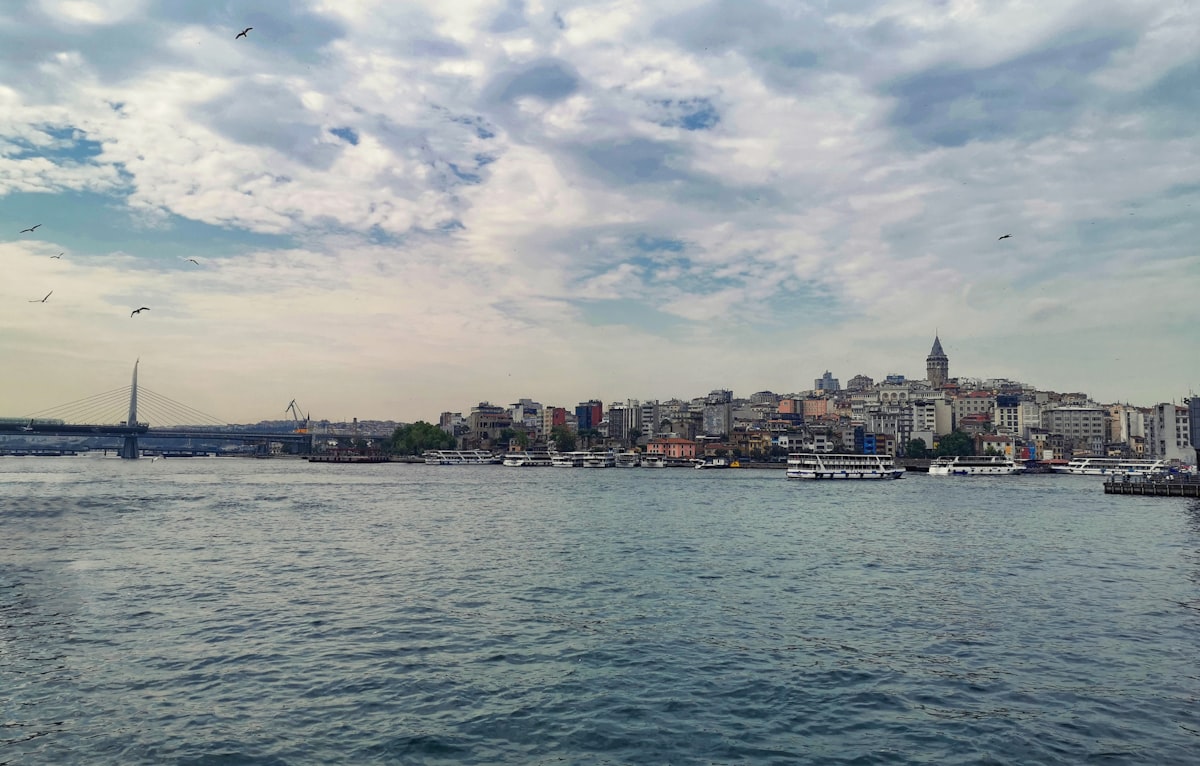
Istanbul Airport (IST) for Turkey. Direct flights from JFK, EWR, IAD, ORD, MIA, and LAX run roughly 10 to 14 hours, typically $600 to $1,200 round-trip in economy. Turkish Airlines, Delta, and United all serve the route.
Cancun (CUN) or Mexico City (MEX) for Mexico. Direct flights from most US cities are 2 to 5 hours, typically $250 to $600 round-trip.
Tijuana (TIJ) via the CBX pedestrian bridge from San Diego for Tijuana clinics. Art Line Clinic's Tijuana package includes a $210 roundtrip transfer from San Diego, so you fly into SAN and your coordinator handles the cross-border ride from there.
Hotel and ground transport are inside the package. You're not booking a hotel separately, you're not Googling "safe taxi Istanbul," and you're not on a public transit map in a city you've never been to. Your coordinator sends a single itinerary with the hotel name, check-in date, transfer driver name, and clinic appointment times. Most packages give you a private driver from the airport to the hotel, hotel to clinic, clinic back to hotel, and hotel back to the airport for departure.
A few small things to handle before you fly. Check whether your phone plan has an international roaming option (a one-week T-Mobile or AT&T travel pass usually runs $35 to $70). Pack a button-down shirt for the day after surgery so you don't have to pull anything over your head. Bring your normal medications. Travel insurance is a conversation worth having — our breakdown of what hair transplant travel insurance actually covers walks through complications riders and evacuation memberships in detail. The US Department of State's travel health guidance lists medical evacuation membership as one of the most practical purchases an American can make abroad.
Step 4: What the Procedure Day Actually Looks Like
The day of the procedure is the part most patients spend the most time worrying about and, ironically, the part that feels the most routine when it's happening.
A driver picks you up from your hotel in the morning. You arrive at the clinic, meet your surgeon in person, and review the hairline design that was discussed during your remote consultation — this is the moment to ask any questions about graft count or density placement. Photos are taken. Bloodwork is run on-site at most clinics to confirm you're clear for the procedure. You change into scrubs.
The procedure itself takes 6 to 9 hours depending on graft count, performed under local anesthetic. You're awake throughout, comfortable, and most clinics have you on a reclining chair watching shows, taking lunch breaks, and chatting with the team. FUE means individual follicles are extracted from the back of your head and implanted one by one in the recipient area. DHI uses an implanter pen for direct placement. Our FUE vs DHI breakdown covers when each technique is the right call.
When the procedure ends, your scalp is bandaged, you're given post-op instructions, and you're driven back to the hotel. Day one of recovery is mostly rest. The clinic typically sees you back the next morning for a post-op head wash, replaces your bandage, and walks you through the wash routine you'll follow at home for the next 10 to 14 days. Three Doctours partner clinics in Turkey — Heva Clinic, MetropolMED, and Vialife Clinic — hold International Health Tourism Authorization Certificates from the Republic of Turkey Ministry of Health, which is the government's stamp on facilities, staffing, and patient-safety protocols.
Step 5: Recovery Abroad and the Flight Home
You're typically in your destination city for 2 to 4 nights after surgery. The first 48 hours are about rest, hydration, sleeping at a slight incline, and avoiding anything that raises blood pressure to the scalp. Most patients feel well enough by day two to take a short walk around the hotel neighborhood. By day three, the dressing is off and the clinic has done a final check before you fly.
Flying home with new grafts is fine — millions of medical tourism patients have done it without issue — but you'll want a window seat so nothing brushes your head, a button-down shirt so you don't pull anything over the grafts, and a neck pillow so you're not bracing against the headrest. Several Doctours partner clinics (including Fizyoestet Hair in Turkey) include a neck pillow in the package for exactly this reason.
A short note on appearances. Your scalp will look pink and visibly worked on for about 10 to 14 days. Tiny scabs form over each graft site and shed naturally over the second week. Most patients wear a loose hat after the first 10 days — long enough to head back to the office without it being a topic of conversation. Transplanted hairs shed in weeks 2 to 6 (this is normal and expected), early growth appears around month 3, and full results land around month 12. If you want a longer take on the privacy side, we wrote about why discretion is one of the main reasons Americans travel for this procedure.
Step 6: 12 to 36 Months of US-Based Aftercare
Aftercare is the step that separates a clinic-only booking from a facilitator. Every Doctours patient has a US-based care coordinator from intake through 12 months of structured follow-up — 36 months at Dr. Serkan Aygin Clinic. The coordinator is reachable 24/7 by call, text, or video chat in English, on your time zone. The full mechanics live in our breakdown of the Doctours care team.
What that looks like in practice over the first year:
Weeks 1–2: Photo check-ins to confirm the grafts are healing and the wash routine is working. The coordinator flags anything that looks unusual to your surgeon at the clinic that performed the procedure.
Months 1–3: Shedding phase support — this is the period when the transplanted hairs fall out before regrowth begins, and a lot of patients get worried without context. Your coordinator has seen it thousands of times and walks you through what to expect.
Months 3–6: Early growth appears. Photo check-ins continue.
Months 6–12: Density builds. Your coordinator coordinates a 12-month review with the clinic, including a video consultation if you have any concerns about uniformity, density, or shockloss in surrounding hair.
Year 2 and beyond (for Dr. Serkan Aygin patients): Continued online follow-ups through month 36.
If something goes wrong — and at credentialed clinics, complication rates for FUE sit in the 1% to 3% band per the International Society of Hair Restoration Surgery — the coordinator handles it, not you. That includes booking a return flight to the clinic for any needed revision under the package's revision policy. The protections are also worth understanding in advance; our walkthrough of safety red flags every patient should spot covers what a complication plan should actually contain.
Cost and Timeline Comparison: US vs Turkey vs Mexico
A side-by-side of what an American patient is actually choosing between in 2026, using current Doctours partner pricing.
Destination | Package Price (USD) | Total Trip Length | Flight Time from US | Hotel Nights Included | Aftercare |
|---|---|---|---|---|---|
Turkey (Istanbul) | $2,200–$5,000 | 5–6 days | 10–14 hours | 2–4 nights | 12–36 months |
Mexico (Tijuana/Cancun/Mexico City) | $2,500–$4,000 | 4–5 days | 2–5 hours | 2–3 nights | 12 months |
Poland (Warsaw) | $5,500 | 5–6 days | 9–11 hours | 2 nights | 12 months |
US (Miami / Los Angeles) | $7,000+ | 2–3 days local | Domestic | Optional | 12 months |
US (typical non-network clinic) | $10,000–$20,000 | 2–3 days local | Domestic | Not included | Varies |
A few patterns worth noticing. Tijuana is the fastest in-and-out for west coast patients — a flight to San Diego and a $210 included transfer over the CBX pedestrian bridge to Art Line Clinic, with surgery the next morning. Istanbul gives you the lowest absolute price and the deepest bench of experienced surgeons, in exchange for a long-haul flight. The US-based partners are the right call when traveling internationally isn't workable — same vetting, same care coordinator, same payment plans, just no passport required.
The Bottom Line
A hair transplant for Americans abroad isn't a workaround. It's a coordinated trip — passport, vetted clinic, USD payment, flights and hotel, surgery, aftercare — that you assemble once and execute over about a week. The thing that turns it from a research project into a plan is having a team that has done it a thousand times, on your side of the ocean, on your time zone.
You've already chosen yourself. The math made sense months ago. What's been missing is the part where someone hands you a calendar instead of another browser tab. That's what the rest of this looks like — a single conversation, a personalized clinic match, an itinerary in USD, and a coordinator who picks up at 2 a.m. if you need them. You've earned that.
Want to see what your specific trip would look like — clinic, price, dates, the whole plan? A free assessment gives you matched options with no obligation.
FAQs
Is a hair transplant abroad safe for Americans?
Yes, when you go through a vetted clinic with documented surgeon credentials and a real complication plan. Three Doctours partner clinics in Turkey — Heva Clinic, MetropolMED, and Vialife Clinic — hold International Health Tourism Authorization Certificates from the Republic of Turkey Ministry of Health, and every Doctours patient gets a US-based care coordinator reachable 24/7 for the full recovery window.
Do Americans need a visa for a hair transplant in Turkey or Mexico?
No. US citizens do not need a visa for stays of up to 90 days in Turkey, Mexico, or Poland. You'll fill in a short Turkish e-arrival form online before flying to Istanbul, or a Mexican FMM tourist form on arrival in Cancun, Tijuana, or Mexico City. Both are free.
How much does a hair transplant cost for Americans traveling abroad?
Through Doctours partner clinics in 2026, packages start at $2,200 in Turkey, $2,500 in Mexico, $5,500 in Poland, and $7,000 at US-based partners. Compare that to $10,000 to $20,000 at most non-network US clinics. Pricing is published in USD up front and monthly payment plans up to 36 months are available across the partner network.
How long is the trip for a hair transplant in Turkey or Mexico?
Most Americans plan a 5 to 6 day trip to Turkey or a 4 to 5 day trip to Mexico, including the procedure day and 2 to 3 nights of initial recovery before flying home. Hotel nights and airport transfers are typically built into the package — for example, Dr. Serkan Aygin Clinic includes 3 hotel nights with full service transportation, and Heva Clinic packages include 2 to 4 nights depending on tier.
What happens with follow-up care after an American patient flies home?
Every Doctours patient has a US-based care coordinator from intake through 12 months of structured follow-up — 36 months at Dr. Serkan Aygin Clinic. The coordinator is reachable 24/7 by call, text, or video chat in English, and handles photo check-ins, surgeon communication, and any complication coordination on your behalf.