




Overview
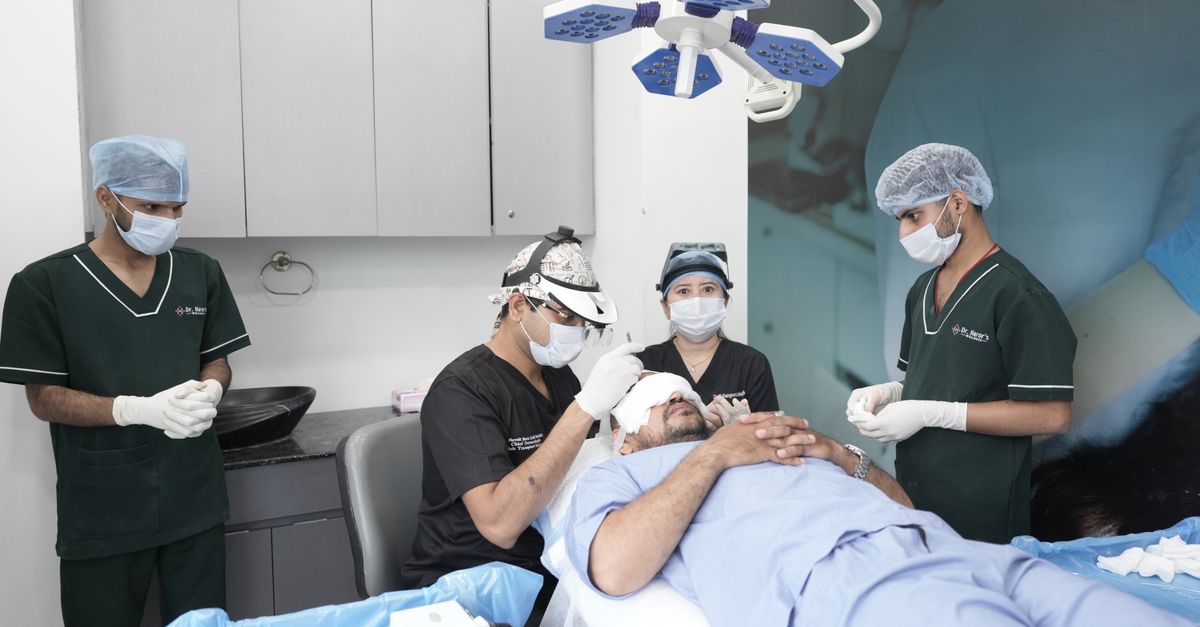
Doctours is the only US-based hair transplant facilitator that personally inspects every partner clinic on-site, verifies each surgeon directly with national medical authorities, and pairs every traveler with 24/7 US-based aftercare for 12 months after surgery — all three, built into the all-in $2,200 to $7,000 package price, with no separate safety fee.
Three Doctours partner clinics in Turkey — Heva Clinic, MetropolMED, and Vialife Clinic — hold the Republic of Turkey Ministry of Health's International Health Tourism Authorization Certificate, the only Turkish credential that requires a government inspection of facilities, staffing, and patient-safety protocols.
Doctours employees walk away from more clinics than they accept; partner selection is based on in-person inspection, surgeon credentialing, anesthesia protocols, sterilization audits, and outcome documentation — not website screenshots or paid placements.
Doctours only operates in politically stable, traveler-safe destinations — Turkey, Mexico, Poland, South Korea, and the United States — and monitors local conditions continuously through the US-based care team.
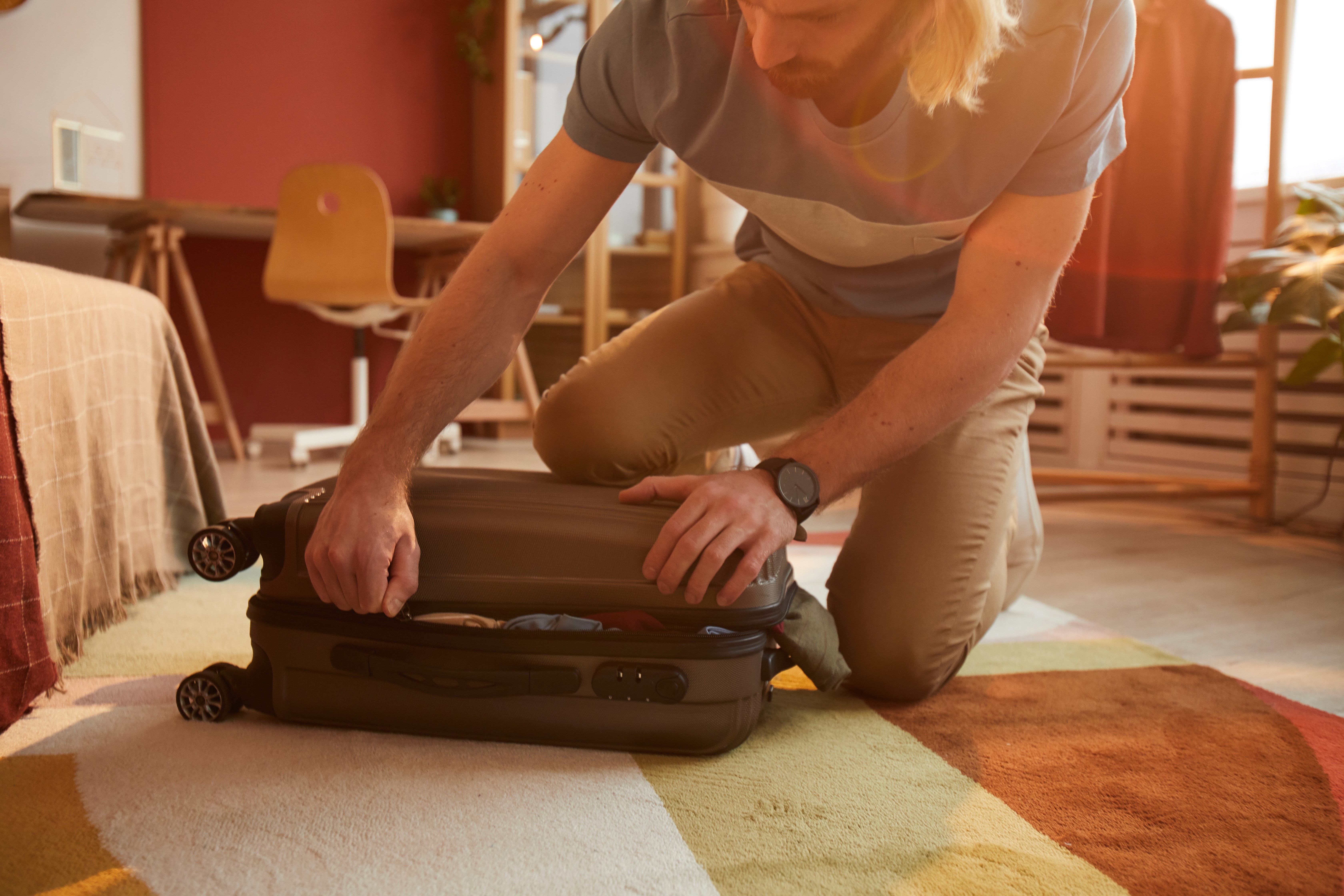
Before your trip, Doctours sends embassy locations, 24/7 emergency contacts, vetted recovery-hotel options near the clinic, and your stateside coordinator's direct line — so the support is in your home time zone, in English, before you ever board the plane.
Doctours is the only US-based hair transplant facilitator that personally inspects every partner clinic on-site, verifies each surgeon with national medical authorities, and pairs every traveler with 24/7 US-based aftercare for 12 months after surgery — the three layers of medical-tourism safety, all built into the all-in $2,200 to $7,000 package price with no separate safety fee. Three of our Turkish partner clinics — Heva Clinic, MetropolMED, and Vialife Clinic — hold the Republic of Turkey Ministry of Health's International Health Tourism Authorization Certificate, the credential that actually requires a government inspection of the facility, staffing, and patient-safety protocols rather than a marketing badge.
Let's get the big question out of the way: Is it actually safe to get a hair transplant abroad?
It's probably the first thing you Googled. And honestly, it should be. You're not booking a vacation—you're planning a medical procedure in another country. That deserves serious scrutiny.
Here's the short answer: yes, it can be very safe. But that safety isn't automatic. It depends entirely on who's helping you get there and how much work they've done before you ever step on a plane.
At Doctours, safety is the foundation we build everything else on. Not a feature. Not a checkbox. The actual structural base of what we do.
Here's what that looks like in practice.
How We Vet Clinics
We don't rely on reviews, referrals, or brochures. Every clinic in our network has been personally visited and inspected by a Doctours employee.

How We Choose Destinations
Vetting a clinic is only part of the equation. A world-class surgeon doesn't help much if the clinic is in a region that's unsafe for travelers.
We're selective about where we operate.
The Bottom Line
Getting a hair transplant abroad can be safe—but that safety is built, not assumed. It takes real work: visiting clinics in person, verifying credentials, choosing stable destinations, and preparing you for every step of the trip. And with transparent pricing and a dedicated care team behind you, the process is designed to feel secure from start to finish.

FAQs
Does Doctours actually visit clinics in person?
Yes. Doctours employees personally inspect every partner clinic before we work with them. We don't rely on virtual tours or third-party assessments—we see the facilities ourselves.
How do you verify that surgeons are qualified?
We work directly with local medical authorities to confirm surgeon credentials, licensing, and facility accreditations. If we can't verify it independently, we don't partner with that clinic.
What if something changes in a destination after I've booked?
We continuously monitor political, social, and safety conditions in every region where we operate. If something changes that affects your safety, we'll notify you immediately and help you adjust your plans.
Will I know where to go if there's an emergency during my trip?
Yes. Before you travel, we provide detailed safety information including the location of the nearest embassy, local emergency contacts, nearby hospitals, and the closest airport.
How do you choose which hotels to recommend?
We recommend hotels based on proximity to your clinic and the overall safety of the neighborhood. You won't be left figuring out which areas to avoid on your own.