




Overview
Hair transplant infection risk abroad is low at a credentialed clinic — serious infections occur in well under 1% of procedures, and most issues are minor, treatable folliculitis rather than anything dangerous, per the International Society of Hair Restoration Surgery.
Infection risk has almost nothing to do with the country and almost everything to do with the clinic: its sterilization protocol, who administers your anesthesia, and whether anyone qualified is watching your healing afterward.
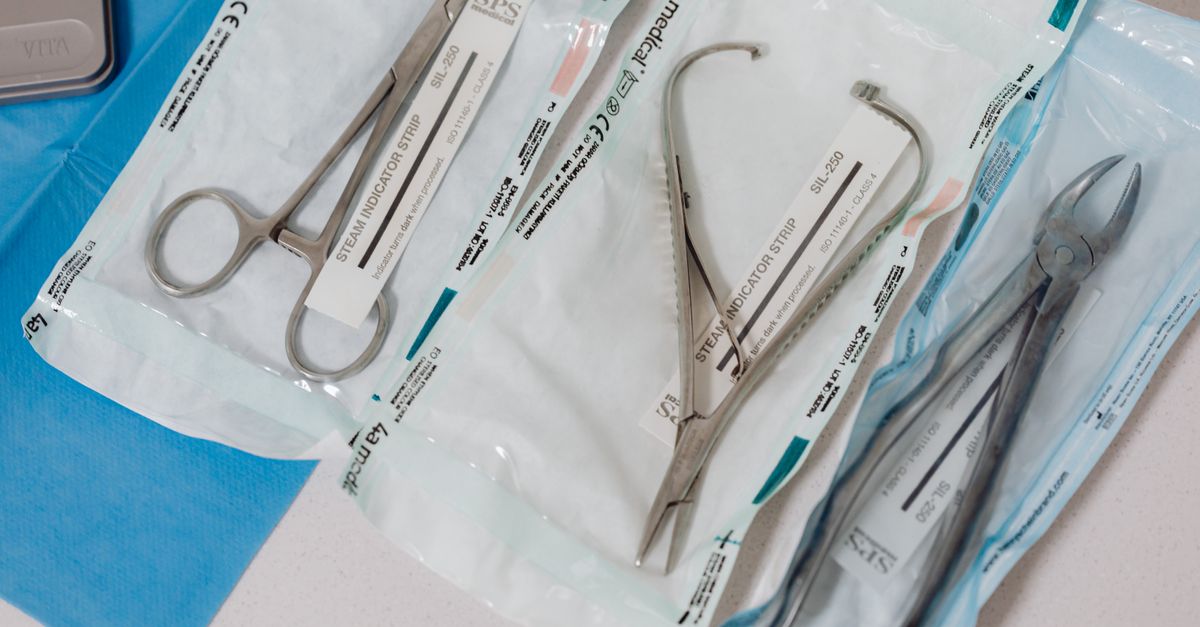
The two biggest controls are sterile-field standards — single-use punches, an autoclave for reusable instruments, a real operating room — and local anesthesia administered or supervised by a qualified clinician, not a sales rep.
Most infections show up between days 4 and 10 as spreading redness, yellow discharge, worsening pain, or a fever over 100.4°F, and catching them early is why a US-based aftercare line matters more than the flight home.
Through Doctours, all 13 vetted partner clinics are screened for sterilization and anesthesia protocols before any booking, with all-in packages from $2,200 to $7,000, deposits from $300, 225 verified reviews, and three Turkey partners holding government health-tourism certificates from the Republic of Turkey Ministry of Health.
Hair transplant infection risk abroad is low at a credentialed clinic — serious infections occur in well under 1% of procedures, and most issues are minor, treatable folliculitis rather than anything dangerous. The risk has almost nothing to do with the country and almost everything to do with the clinic: its sterilization protocol, who administers your anesthesia, and whether anyone qualified is watching your healing afterward. Through Doctours, all 13 vetted partner clinics are screened for exactly this — sterile-field standards, single-use instruments, and a documented anesthesia plan — before any patient books, with all-in packages from $2,200 to $7,000 and a US-based coordinator on call through recovery.
If you've read enough forum threads, you've seen the one photo nobody wants to be. The angry red scalp. The caption that starts with I should have known better. And somewhere underneath the cost math and the before-and-afters, the quiet worry that actually keeps the deposit in your account: What if I get an infection in a country where I don't speak the language? Fair worry. It's the kind of thing that's hard to say out loud and impossible to un-think once you have.
So let's say it plainly, then take it apart. Infections after a hair transplant are uncommon, they're almost always minor, and the things that prevent them are knowable, checkable, and the same everywhere on earth. The goal of this article isn't to promise nothing ever goes wrong. It's to show you exactly what a safe clinic does to keep the odds in your favor — and how to confirm it before you ever board a flight.
How Real Is Hair Transplant Infection Risk Abroad?
Real, but small — and smaller than the internet makes it feel. The International Society of Hair Restoration Surgery puts serious infection after FUE at well under 1% of cases at credentialed clinics, with overall complications in the 1% to 3% range. Most of what patients call an "infection" is folliculitis — inflamed follicles that look alarming and usually clear with a short course of antibiotics or topical care. A genuine, spreading wound infection is rare, and a dangerous one is rarer still. The American Academy of Dermatology classifies hair restoration surgery as low-risk for healthy adults precisely because the procedure is shallow, the wounds are tiny, and the scalp has a generous blood supply that heals fast.
Here's the part that matters: those numbers describe credentialed clinics. The scary photos almost always trace back to the other kind — a high-volume mill running unsupervised technicians, reused punches, and no plan for the day something looks off. The risk isn't the airport. It's the clinic you walk into once you land.
Why Does Infection Risk Have So Little to Do With the Country?
Because sterile is sterile. An autoclave in Istanbul runs the same cycle as an autoclave in Boston. A single-use punch costs the same and works the same in Cancún as it does in Chicago. The biology of healing doesn't check your passport. What actually changes your odds is whether the clinic follows infection-control basics — and whether anyone made them prove it before you arrived.
That's the reframe worth holding onto: a properly vetted clinic abroad is safer than an unvetted clinic five miles from your house, and a careless clinic is risky no matter the flag outside. The CDC's medical tourism guidance makes the same point a different way — it lists facility accreditation, qualified staff, and a documented plan for follow-up care as the strongest predictors of a safe cross-border procedure, not the destination itself. Country is a headline. Protocol is the story. Which brings us to the part you can actually inspect.
What Sterilization Protocols Should a Safe Clinic Follow?
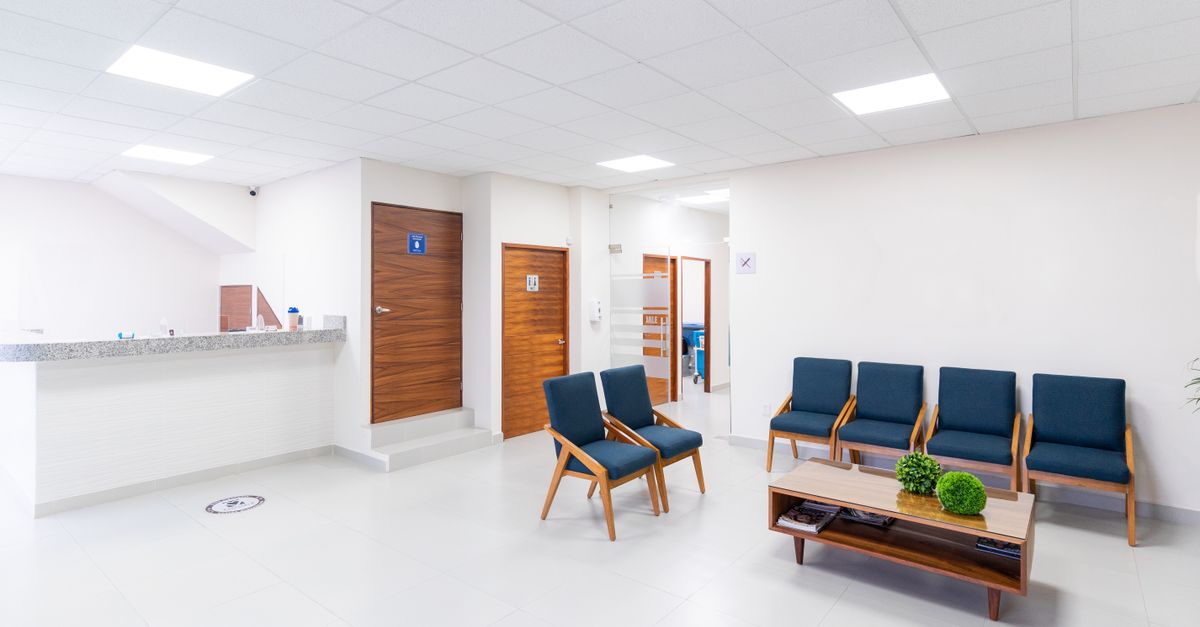
Infection control in a hair transplant isn't exotic. It's a short list of non-negotiables that a serious clinic treats as routine and a careless one treats as optional. A safe clinic sterilizes every reusable instrument in an autoclave and keeps the logs to prove the cycles ran. A safe clinic does your procedure in a dedicated operating room, not a converted office. And a safe clinic preps your skin and maintains a sterile field from the first incision to the last graft.
Here's the checklist worth running against any clinic before you book:
Single-use punches and blades for graft extraction — opened in front of you, never reused between patients.
An autoclave (steam sterilizer) for any reusable instruments, with sterilization records the clinic can show on request.
A real operating room that's cleaned and disinfected between cases — not a back room or a hotel suite.
Sterile gloves, gowns, drapes, and a prepped sterile field around both the donor and recipient areas.
Skin antisepsis of the scalp before the surgeon makes the first channel.
Sealed, in-date supplies and proper sharps and medical-waste handling.
None of this is hard to ask about. "Are the punches single-use, and is there an autoclave on site?" is a completely normal question, and a good clinic answers it without flinching. If a clinic gets cagey, that's your answer too. The deeper version of this homework lives in our guide to how to vet a clinic before you book abroad, and these checks belong on your pre-flight safety checklist.
Why Does the Anesthesia Plan Matter for Infection Risk?
A hair transplant is done under local anesthesia — usually lidocaine injected into the scalp, sometimes with light sedation to take the edge off the first few minutes. That sounds routine, and at a good clinic it is. The risk creeps in when the person giving it isn't qualified to. Anesthesia that's administered or supervised by a physician or trained anesthetist is part of the same safety system as sterilization: it means a clinician — not a sales coordinator — is making medical decisions in the room, watching your vitals, and equipped to respond if anything reacts.
A documented anesthesia plan is one of the quieter signs that a clinic treats your surgery like surgery. It tells you the procedure is run by medical staff who account for your medications, your allergies, and your comfort — the same medical staff who maintain the sterile field and recognize an early complication. This is also why your pre-op tests and medication review matter: they feed the anesthesia plan, and a clinic that skips them is improvising on the day. Through Doctours, the anesthesia approach is confirmed during clinic vetting and reviewed with you at intake — weeks before you fly, not minutes before the first injection.

What Are the Signs of Infection After a Hair Transplant?
Most of what you'll feel in the first week is normal healing, and knowing the difference is what keeps a quiet worry from becoming a 3 a.m. spiral. Mild redness, light crusting, forehead swelling around days two to four, and tenderness that eases with over-the-counter pain relief are all expected. Infection looks like healing going the wrong direction — getting worse after it should be getting better. The tell is the trend: normal recovery improves day by day, while an infection escalates.
Sign | Normal Healing (first 7–10 days) | Possible Infection — Call Your Team |
|---|---|---|
Redness | Mild pinkness around grafts, fading daily | Spreading redness that worsens after day 4–5 |
Swelling | Forehead puffiness days 2–4, then settles | Swelling that increases after day 5, warm to the touch |
Discharge | Light crusting, a little clear ooze | Yellow or green pus, or a foul smell |
Pain | Tenderness that eases with OTC meds | Throbbing pain that worsens and ignores meds |
Fever | None | Fever over 100.4°F (38°C) |
If you see the right-hand column, that's not a moment to Google in a panic — it's a moment to call someone who knows your case. Caught early, a scalp infection is almost always a short antibiotic course and a quick recovery. The danger isn't the infection itself; it's a small problem left alone because no one was reachable. Our aftercare guide for the first 30 days walks through the full healing timeline so you know what's routine before it happens.
Who Do You Actually Call If Something Looks Wrong Abroad?
This is where a lot of cheap packages quietly fall apart. The clinic that answered WhatsApp in ninety seconds before your deposit goes silent once you're home and worried. A real aftercare plan is the difference — and it's the piece that turns infection from a horror story into a phone call. Through Doctours, every package includes structured follow-up with a US-based care coordinator you can reach 24/7 by call, text, or video — in English, on your time zone, for the full follow-up window. Dr. Serkan Aygin Clinic extends structured follow-up to 36 months, three times the network standard. The full mechanics live in our breakdown of what to know about the Doctours care team.
Before you go, your coordinator confirms the clinic's sterilization and anesthesia protocols and reviews your medications. While you're there, you're a known patient at a clinic that's been inspected, not a stranger walking in cold. After you're home, you have a person — not a chatbot — to send a photo to if a graft site looks angry on day six. That continuity is the whole point.
How Does Doctours Screen Sterilization and Anesthesia Before You Book?
Doctours vets every partner clinic in person before listing it, and infection control is part of that review. A team member visits the clinic, walks the operating rooms, confirms the autoclave and single-use instruments, verifies the operating surgeon by name with national medical authorities, and checks that anesthesia is handled by qualified clinical staff. Doctours has walked away from more clinics than it has accepted. Three Turkey partners — Heva Clinic, MetropolMED, and Vialife Clinic — hold International Health Tourism Authorization Certificates from the Republic of Turkey Ministry of Health, a credential that only goes to clinics that pass government inspection of facilities, staffing, and patient-safety protocols.
That's the version where the surgeon is named, the room is sterile, the anesthesia is supervised, and a US-based coordinator already has your file. Across the network it comes with 13 vetted clinics, all-in pricing from $2,200 to $7,000, deposits from $300, and 225 verified reviews. If you want the broader set of warning signs beyond infection, our guide to red flags every patient should spot and our explainer on what a JCI accreditation stamp really means go deeper.
The Bottom Line
Infection is the fear that's easy to feel and hard to size, so here's the honest size of it: small, usually minor, and almost entirely about the clinic — not the country. A sterile room, single-use instruments, supervised anesthesia, and someone qualified watching your healing are what keep the odds in your favor, and every one of them is checkable before you commit.
You don't have to gamble on whether a clinic does the unglamorous work. You can start with the ones that already do — inspected in person, surgeon named, sterilization and anesthesia confirmed, and a US-based coordinator on call from intake through recovery. Through Doctours, that's been the standard the whole time.
You've done the worrying and the research. What's left isn't a leap — it's a decision you get to make with the facts in your hands, on your own timeline, when it's your turn.
Want to know your clinic's sterilization and anesthesia are screened before you fly? A free Doctours assessment gives you matched, vetted clinics and a US-based coordinator who confirms the protocols — no pressure, no commitment.
FAQs
Can you get an infection from a hair transplant abroad?
Yes, but it's uncommon and usually minor. Serious infection after a hair transplant occurs in well under 1% of procedures at credentialed clinics per the International Society of Hair Restoration Surgery, and most cases are folliculitis that clears with a short antibiotic course. The risk depends on the clinic's sterilization and anesthesia standards, not the country.
How common is infection after a hair transplant?
Serious infection is rare — well below 1% of cases at credentialed clinics — and overall complications run about 1% to 3% for FUE. The scalp's strong blood supply and the procedure's tiny wounds make it low-risk for healthy adults, which is why the American Academy of Dermatology classifies hair restoration surgery as low-risk.
What sterilization should a hair transplant clinic use?
A safe clinic uses single-use punches and blades for graft extraction, an autoclave (steam sterilizer) with logs for any reusable instruments, a dedicated cleaned operating room, sterile gloves and drapes, and skin antisepsis before the first incision. You can ask whether punches are single-use and whether there's an autoclave on site — a good clinic answers without hesitation.
What are the signs of infection after a hair transplant?
Watch for healing that gets worse instead of better: spreading redness after day 4–5, increasing swelling that's warm to the touch, yellow or green pus or a foul smell, throbbing pain that ignores over-the-counter meds, or a fever over 100.4°F (38°C). Mild redness, light crusting, and forehead swelling in the first few days are normal. Call your care team if you see the warning signs.
What happens if I get an infection after surgery once I'm home?
Caught early, a scalp infection is almost always treated with a short course of antibiotics and resolves quickly. The key is reaching someone who knows your case fast — through Doctours, a US-based care coordinator is available 24/7 by call, text, or video to assess photos and coordinate treatment, so a small problem doesn't get ignored.