



Overview
Yes, getting a hair transplant in Turkey is safe — when you choose a properly vetted clinic.
The risks (infection, scarring, unnatural results, unlicensed practitioners) are real but manageable with the right clinic.
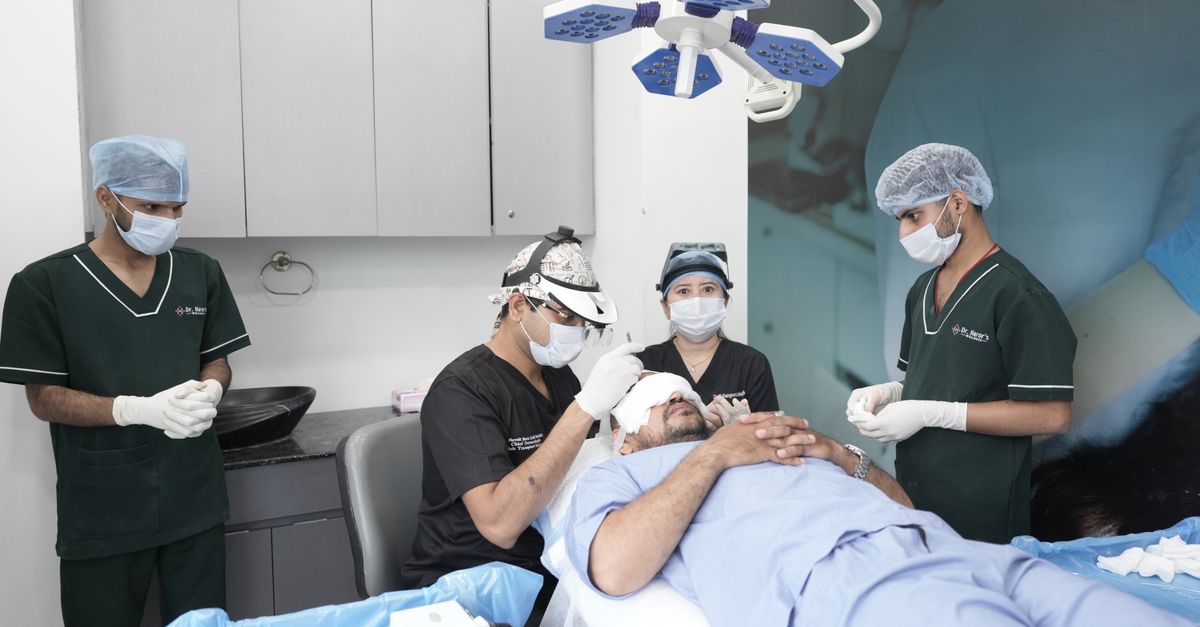
Reputable Turkish clinics are licensed by the Ministry of Health and have a qualified surgeon present and active throughout your procedure.
Using a vetted medical travel facilitator reduces risk by verifying surgeon credentials and providing 24/7 trip support.
Most patients stay 2–3 nights in Istanbul before flying home, with structured remote follow-up during the recovery months.
Yes, getting a hair transplant in Turkey is safe. Turkey has become one of the world's leading destinations for hair restoration surgery, and tens of thousands of international patients travel there each year with excellent outcomes. The risks are real but manageable, and most of them come down to one thing: clinic selection.
This article covers what you actually need to watch out for, what separates reputable clinics from the ones to avoid, and how patients from the US can protect themselves throughout the process.
Why Turkey Became a Hair Transplant Destination
Turkey's rise as a hair transplant hub wasn't accidental. Over the past two decades, Istanbul in particular developed a dense concentration of specialized clinics catering specifically to international patients. Surgeons trained in Europe and the US, and clinics invested in modern equipment and techniques like FUE and DHI that have largely replaced older strip methods.
The infrastructure built up around this demand: English-speaking patient coordinators, international-standard hospitals, accommodation packages, and logistics support designed specifically for foreign visitors. For most patients traveling from the US or UK, the experience is smoother than they expect.
None of that means every clinic in Turkey is good. It means the good ones are genuinely good, and it's worth taking the time to find them.
What Are the Actual Risks?
Hair transplant surgery carries risks regardless of where you have it done. The relevant question isn't whether Turkey is riskier than the US in principle, it's whether the specific clinic you're considering meets the standard of care you'd expect anywhere.
The risks associated with hair transplants generally include:
Infection. Any surgical procedure carries infection risk. Reputable clinics use sterile environments and follow post-op protocols to minimize this. Poor hygiene practices at lower-quality clinics are a legitimate concern.
Scarring and graft failure. Improper technique during extraction or implantation can damage grafts or leave visible scarring. This is a skill issue, not a geography issue, but it's more likely at clinics that overpromise and underdeliver.
Unnatural-looking results. Hairline design matters enormously. Experienced surgeons plan hairlines that suit your facial structure and age naturally. Less experienced technicians may produce results that look fine at first but age poorly.
Complications from unlicensed practitioners. This is the specific risk that applies more in Turkey than in the US. Some lower-tier operations use unlicensed technicians rather than qualified surgeons. It's not universal, but it happens, and it's one of the clearest reasons to vet your clinic carefully. The American Academy of Dermatology emphasizes that surgeon experience and clinic standards are the primary drivers of safe outcomes.

What Separates a Good Clinic from a Bad One?
The markers of a reputable hair transplant clinic in Turkey are consistent regardless of which one you're evaluating.
A qualified surgeon should be present and actively involved in your procedure, not just available for consultation. Look for board certification from recognized bodies such as the Turkish Medical Association or international equivalents. The clinic should be licensed by the Turkish Ministry of Health.
You should be able to see real patient results, not just marketing photos. Before-and-after documentation, verified patient reviews, and willingness to connect you with past patients are all positive signs. Clinics that are vague about surgeon credentials or resist specific questions about their process are worth avoiding.
Aftercare matters too. A clinic that's genuinely invested in your outcome will have clear post-op protocols, follow-up consultations, and a way to reach them if you have concerns after returning home. Clinics in the Doctours network like Heva Clinic and Vera Clinic are certified by the Turkish Ministry of Health for international health tourism and run structured remote follow-up programs for foreign patients.
How a Facilitator Changes the Risk Equation
One of the most practical ways to reduce risk when getting a hair transplant in Turkey is to book through a vetted medical travel facilitator rather than contacting clinics directly.
A facilitator like Doctours does the vetting work on your behalf. Their team visits clinics in person, verifies surgeon credentials, checks accreditation, and confirms that the standard of care meets the bar they've set for their network. If a clinic doesn't clear that process, it doesn't get listed.
This matters because most patients researching clinics online have no reliable way to verify what they're reading. Clinic websites are marketing materials. Review platforms can be gamed. The only way to know what a clinic is actually like is to go there, which is exactly what a reputable facilitator does.
Beyond vetting, a facilitator also stays involved throughout your trip. That means someone to call if something feels wrong, emergency contacts provided before you travel, and a care team available before and after your procedure. That level of support doesn't exist when you book a clinic directly from a Google search.
For more detail on how the safety vetting process works in practice, this article on what Doctours does to make sure hair transplants abroad are safe is worth reading before you make any decisions.
What About Post-Op Recovery Abroad?
Most patients stay in Istanbul for two to three days after their procedure before flying home. This is generally sufficient for the initial recovery period, though full results take several months to appear as transplanted hairs shed and regrow.
You'll want to follow your clinic's post-op instructions carefully during the flight home and in the weeks after. Avoiding direct sun, strenuous activity, and swimming for a specified period is standard. Your care team should provide clear written instructions covering all of this before you leave.
If you have concerns after returning to the US, a good facilitator will have a process for remote follow-up and, if necessary, can help you navigate any issues with the clinic.
Red Flags to Watch For
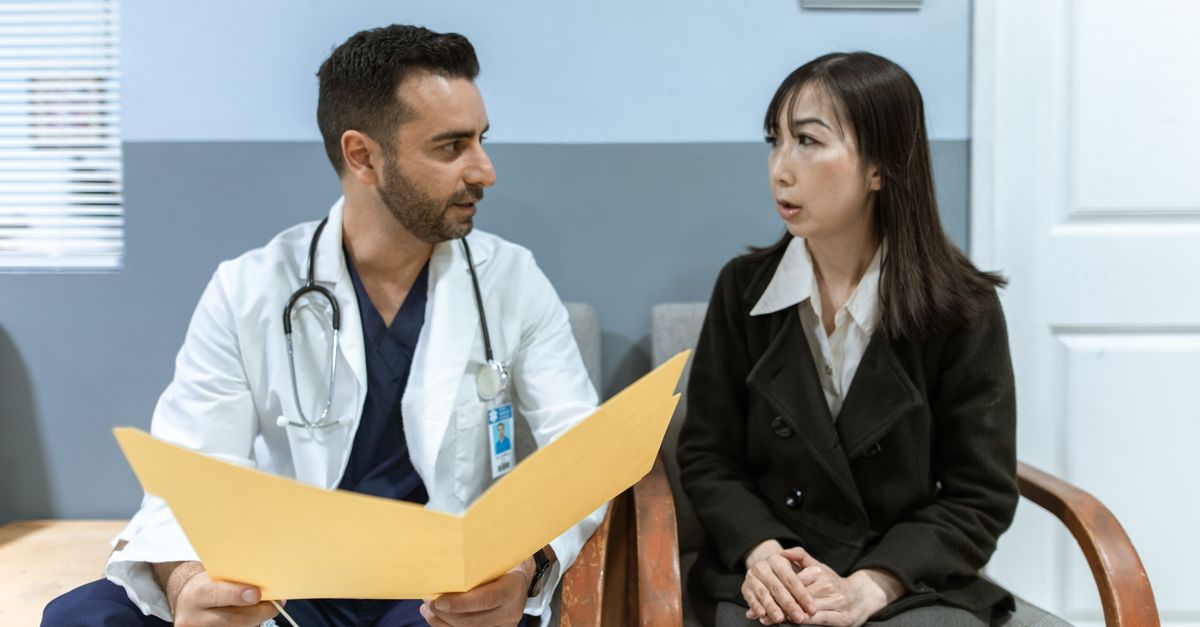
If you're researching clinics independently, these are signs worth taking seriously:
Unusually low prices with no explanation of what's included
No verifiable surgeon credentials or vague answers when you ask directly
High-pressure sales tactics or urgency to book quickly
No clear post-op support or aftercare protocol
Reviews that feel templated or are clustered around a short time period
No ability to speak directly with a surgeon before booking
None of these individually means a clinic is bad, but a pattern of them should give you pause.
The Bottom Line
Hair transplants in Turkey are safe when you go through the right clinic. The patients who have bad experiences are almost always the ones who chose based on price alone, booked without doing proper due diligence, or went with a clinic that looked credible online but wasn't properly vetted.
The good news is that the reputable clinics in Turkey are genuinely excellent. They've spent years refining their process for international patients, they use modern techniques, and they have real track records you can verify. The work is in finding them, which is what a good facilitator exists to do.
If you want a clearer picture of what's involved and want to learn more about why discretion is one of the main reasons people are choosing to travel abroad for this procedure, that's a good next read. Or if you're ready to get a personalized quote from a vetted clinic, a free assessment is the right starting point.
Want to know which clinics have been vetted for US patients? Get a free assessment and see which options suit your situation.

FAQs
Is it safe to get a hair transplant in Turkey?
Yes, when you choose a properly vetted clinic. Turkey has a well-developed hair transplant industry with many internationally accredited clinics. The key is clinic selection, not geography.
What are the risks of getting a hair transplant in Turkey?
The main risks include infection, scarring, graft failure, and unnatural results. These risks exist with any hair transplant procedure and are minimized by choosing an experienced, licensed clinic.
How do I know if a Turkish hair transplant clinic is reputable?
Look for a licensed surgeon actively involved in the procedure, verifiable credentials, Ministry of Health accreditation, real patient results, and clear aftercare protocols.
Is it better to book directly with a clinic or use a facilitator?
Using a facilitator that vets clinics in person significantly reduces risk. They verify credentials, check facilities, and stay available throughout your trip in a way you can't replicate by booking direct.
What happens if something goes wrong after I return to the US?
A reputable facilitator provides post-op support and a process for remote follow-up. Choosing one that handles refund negotiations and stays available after the procedure is an important part of protecting yourself.